

The Daily Outside 5.27.26: Seaweed Science, Fish Hatchery Paths, Native Bees
Wednesday’s Daily Outside drifts from glacier talks and salmon infrastructure to native bees, civic park stewardship, and pressed seaweed art — a full Pacific Northwest day of pollinators, watershed systems, public lands, marine ecology, and the ongoing realization that nearly everything alive around here is connected by water.
Ranger talk, glacier weather, and one small window into Rainier’s enormous operating system
Mount Rainier National Park — Paradise Plaza Program
Wednesday, May 27, 2026
11 a.m.
Paradise Plaza by the Jackson Visitor Center
Mount Rainier National Park
Free program | Park entrance fee may apply | Ranger talk | Approximately 15–20 minutes
This is Mount Rainier in its most compact interpretive form: a short, stationary ranger talk outside the Jackson Visitor Center at Paradise, where the day’s topic might wander through glaciers, wildflowers, volcanic geology, wildlife, weather, snowpack, park history, or whatever the mountain seems to be emphasizing through clouds, meltwater, and visitor confusion that morning.
The program lasts only about 15 to 20 minutes, making it easy to fold into a larger Paradise visit before a trail, after a snowfield wander, or during that classic group recalibration involving jackets, maps, snacks, sunscreen, and someone asking whether the view is “usually this cloudy.” Check the front desk inside the Jackson Visitor Center for the day’s subject, then meet in the plaza and let a ranger translate one small piece of Rainier’s vast, moody system.
The program itself is free, though Mount Rainier National Park entrance fees may apply.
More info: Mount Rainier National Park
Fish hatchery paths, salmon infrastructure, and the quiet machinery behind cold-water life
Puyallup Fish Hatchery — Public Event / Tour
Wednesday, May 27
11 a.m. to 12:30 p.m.
Puyallup Fish Hatchery
1416 14th St SW, Puyallup
Free | Registration required | ADA accessible | Outdoor / educational
This is one of those places where the outdoors quietly reveals its plumbing. The Puyallup Fish Hatchery is not just tanks, pipes, ladders, and concrete raceways; it is part of the larger human effort to understand, support, and manage salmon and trout populations in a landscape where rivers, development, habitat pressure, fishing, restoration, and climate all keep pulling on the same fragile thread.
The event offers a chance to look more closely at how a hatchery works — where fish are raised, monitored, protected, and released as part of a broader aquatic system. Expect an educational visit rooted in the practical side of watershed stewardship: water quality, fish life cycles, habitat needs, and the behind-the-scenes work that helps connect hatchery operations to rivers, wildlife, and the people who depend on healthy aquatic ecosystems.
The setting matters, too. A fish hatchery is both natural and engineered, a place where cold water, biology, infrastructure, and public education all overlap. It is a good fit for curious adults, families, school-minded learners, salmon watchers, and anyone who has ever stood beside a Northwest creek and wondered what it takes to keep fish returning.
Registration is required. The event is listed as ADA accessible.
More info: City of Puyallup / Puyallup Fish Hatchery
Native bees, backyard refuge, and the small fuzzy workers who never asked for our landscaping opinions
WSU Extension Pierce County — Attracting Native Bees
Wednesday, May 27
5–6 p.m.
Pierce County Library — Tillicum Branch
14916 Washington Ave SW, Lakewood
Free | Indoor presentation | Pollinator gardening | Beginner-friendly
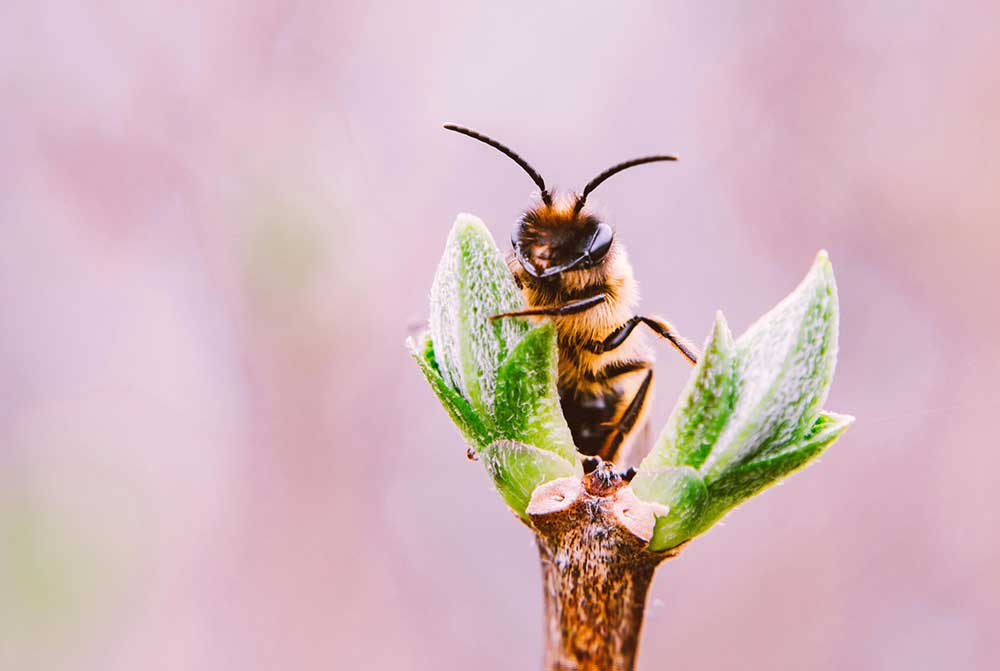
This is backyard ecology at bee level. WSU Extension Pierce County’s Attracting Native Bees presentation helps gardeners and curious humans learn how to tell native bees from non-native bees, then turns that knowledge into practical steps for making home gardens more welcoming to the pollinators already adapted to this region.
The session focuses on simple strategies: planting useful forage, providing habitat, reducing unnecessary disruption, and understanding that not every bee in the garden is a honeybee wearing different branding. Native bees support flowers, food crops, and local ecosystems, often quietly and without the public relations department honeybees enjoy.
It’s a good fit for gardeners, beginners, pollinator-curious neighbors, and anyone ready to make a yard, balcony, or planting strip feel a little less decorative and a little more alive.
More info: WSU Extension Pierce County Speakers Bureau
Seaweed science, beach activism, and the oddly beautiful art of pressing ocean weeds into keepsakes
Surfrider South Sound — South Sound Surfrider Session: Pressed Seaweed Art
Wednesday, May 27
6:30–8 p.m.
Tacoma
Exact location provided after signup
Free | Registration required | Chapter meeting | Guest speaker / hands-on activity
This is part chapter meeting, part beach-advocacy gathering, part reminder that seaweed is not just slippery shoreline confetti arranged by the tide to inconvenience your sandals. Surfrider South Sound’s May session brings people together for free pizza, chapter updates, volunteer opportunities, and a guest presentation from Stena Troyer, Blue Water Task Force coordinator and director at Harbor WildWatch.
The focus is seaweed — why it matters to marine ecosystems, how it supports shoreline life, and what it can teach us about the health of local waters. Expect an approachable mix of science, activism, and community connection, rooted in Surfrider’s larger mission to protect oceans, waves, and beaches through volunteer-powered advocacy.
The hands-on piece turns the learning into something tangible: participants will create pressed seaweed art to take home, with supplies provided. It’s a lovely crossover of marine ecology and slow craft — observe the form, understand the role, preserve the texture, try not to make jokes about kelp having better posture than most humans.
The event is free, but sign-up is required to receive the exact Tacoma location.
More info: Surfrider South Sound
Afterward, meet up at Peaks & Pints
By Wednesday evening — after glaciers, hatchery raceways, native bees, seaweed art, and the quiet realization that half the Pacific Northwest ecosystem appears to be held together by pollinators and cold water — Peaks & Pints offers a pretty ideal decompression chamber. Grab a craft beer, cider, or wine, settle into the familiar lodge glow, and let the day’s forest, shoreline, and watershed thoughts slowly drift into easy conversation and whatever remains of the evening light outside the Proctor windows.
LINK: The Daily Outside explained
LINK: Peaks & Pints beer and cider cooler inventory